- Sector -2, B Block Noida-201301
- info@tradingshastra.com
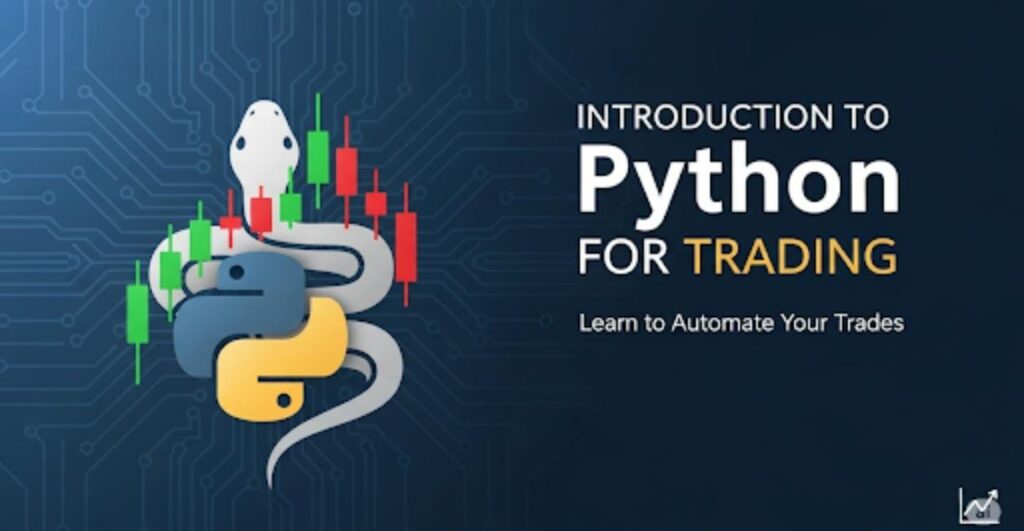
Introduction to Python for Trading – Complete Beginner’s Guide 2025
Python for trading has revolutionized how traders and financial institutions approach market analysis and automated trading systems. The use of python for trading has become increasingly popular due to its simplicity, extensive libraries, and robust community support. This introduction to python for trading will guide you through the fundamental concepts and practical applications of python for trading in modern financial markets. Whether you’re a beginner or an experienced trader, understanding python for trading can significantly enhance your analytical capabilities and trading efficiency.
The adoption of python for trading has grown exponentially because it provides accessible tools for backtesting strategies, analyzing market data, and executing automated trades. Many institutions and individual traders now rely on python for trading to develop sophisticated algorithms that can process vast amounts of market data in real-time. This guide will explore why python for trading has become the preferred choice for quantitative analysts and how you can start using python for trading in your own investment strategies.
Why Python for Trading?
Accessibility and Ease of Learning
Python for trading offers a gentle learning curve compared to other programming languages, making it ideal for traders without extensive coding experience. The simplicity of python for trading allows financial professionals to quickly implement and test their ideas without getting bogged down in complex syntax.
Comprehensive Library Ecosystem
The extensive collection of libraries specifically designed for python for trading includes:
-
Pandas for data manipulation and analysis
-
NumPy for numerical computations
-
Matplotlib and Seaborn for data visualization
-
Scikit-learn for machine learning applications
-
Zipline and Backtrader for backtesting trading strategies
Community Support and Resources
The growing community around python for trading ensures continuous development of new tools and resources. Numerous online platforms, forums, and educational resources dedicated to python for trading make it easier for newcomers to learn and experienced developers to advance their skills.
Getting Started with Python for Trading
Setting Up Your Environment
To begin your journey with python for trading, you’ll need to set up a proper development environment:
-
Install Python 3.8 or higher
-
Set up Jupyter Notebook for interactive coding
-
Install essential libraries for python for trading
-
Choose an IDE (VSCode, PyCharm, or Spyder)
-
Connect to market data APIs
Basic Python Concepts for Trading
Understanding these fundamental concepts is crucial for effective python for trading:
-
Data structures (Lists, Dictionaries, DataFrames)
-
Control flow statements
-
Functions and classes
-
Error handling and debugging
-
Working with APIs and data feeds
Essential Python Libraries for Trading
Data Analysis and Manipulation
Pandas is arguably the most important library for python for trading, providing powerful data structures and tools for:
-
Time series analysis
-
Data cleaning and preprocessing
-
Technical indicator calculation
-
Portfolio performance analysis
Numerical Computing
NumPy forms the foundation for numerical operations in python for trading, enabling:
-
Efficient array operations
-
Mathematical function implementation
-
Statistical calculations
-
Optimization algorithms
Data Visualization
Effective visualization is crucial in python for trading for:
-
Identifying patterns and trends
-
Analyzing strategy performance
-
Presenting results to stakeholders
-
Real-time monitoring of trading systems
Building Your First Trading Strategy with Python
Data Acquisition and Preparation
The first step in any python for trading project involves:
-
Collecting historical market data
-
Cleaning and normalizing data
-
Handling missing values and outliers
-
Creating features for analysis
Strategy Implementation
Python for trading enables you to:
-
Code technical indicators
-
Implement signal generation logic
-
Create risk management rules
-
Develop position sizing algorithms
Backtesting and Validation
Proper backtesting is essential in python for trading:
-
Historical performance testing
-
Walk-forward analysis
-
Out-of-sample testing
-
Strategy optimization and validation
Advanced Python for Trading Concepts
Algorithmic Trading Systems
Advanced python for trading involves:
-
High-frequency trading strategies
-
Market microstructure analysis
-
Order book dynamics
-
Execution algorithms
Machine Learning Applications
Python for trading increasingly incorporates ML techniques:
-
Predictive modeling
-
Pattern recognition
-
Sentiment analysis
-
Reinforcement learning for strategy optimization
Risk Management and Analytics
Sophisticated python for trading systems include:
-
Value at Risk (VaR) calculations
-
Stress testing scenarios
-
Portfolio optimization
-
Drawdown analysis and management
Real-World Applications of Python for Trading
Retail Trading
Individual traders use python for trading to:
-
Automate their trading strategies
-
Develop custom indicators
-
Create personalized trading dashboards
-
Implement portfolio rebalancing systems
Institutional Trading
Financial institutions leverage python for trading for:
-
Quantitative research
-
High-frequency trading systems
-
Risk management frameworks
-
Automated market making
Research and Development
Academic and commercial researchers employ python for trading to:
-
Test financial theories
-
Develop new trading methodologies
-
Analyze market efficiency
-
Study behavioral finance patterns
See Our More Blogs:
Frequently Asked Questions (FAQs)
Q1: Do I need programming experience to learn python for trading?
While previous programming experience is helpful, python for trading is accessible to beginners due to Python’s simple syntax and the availability of learning resources specifically designed for financial applications.
Q2: What are the hardware requirements for python for trading?
Basic python for trading can be done on most modern computers. However, advanced applications may require more powerful hardware, especially for backtesting complex strategies or processing large datasets.
Q3: How long does it take to become proficient in python for trading?
With consistent practice, most learners can become proficient in basic python for trading within 3-6 months. Mastering advanced concepts may take 1-2 years of dedicated study and practical application.
Q4: Can python for trading be used for live trading?
Yes, python for trading can be used for live trading through various broker APIs and trading platforms that support Python integration, allowing for fully automated trading systems.
Q5: What resources are available for learning python for trading?
Numerous resources are available for learning python for trading, including online courses, books, documentation, community forums, and educational platforms like Trading Shastra’s specialized programs.
Outbound Resources:
Disclaimer:
Trading involves significant risk of financial loss. Python for trading requires careful strategy development, thorough backtesting, and proper risk management. Past performance does not guarantee future results. This educational content should not be considered financial advice. Always test strategies in simulated environments before live implementation.
Ready to Master Python for Trading? Join Trading Shastra’s algorithmic trading program to learn professional python for trading techniques with hands-on projects and expert mentorship.
Trading Shastra Academy
B-11, Sector 2, Noida – 201301
Website: www.tradingshastra.com
Email: info@tradingshastra.com
Phone: +91 9717333901
Hours: Monday – Saturday: 11:00 AM – 6:00 PM IST